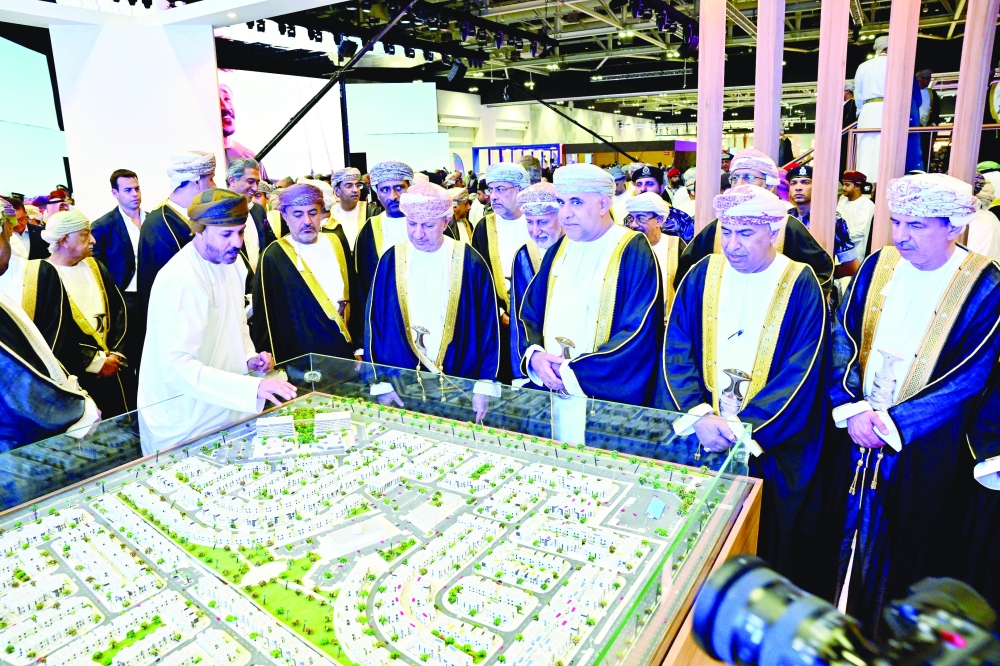





MUSCAT: The courts of the Sultanate of Oman and the Office of the Attorney General welcomed on Thursday a new phase of judicial work with the launch of the new judicial year (2026-2027), continuing to fulfil their mission in consolidating the rule of law and achieving prompt justice.
In preparation for the start of the new judicial year's operations, the courts of the Sultanate of Oman have completed their general assembly meetings to determine the judicial circuits, prepare cadres and facilities, and enhance administrative and technical readiness. This contributes to facilitating the litigant's journey, raising performance efficiency, and accelerating the adjudication of cases.
The new judicial year witnesses the activation of digital systems in the field of inheritance across various courts in its first phase. This represents a qualitative step in developing justice services related to inheritances, legacies, and the management of orphans' funds, thereby contributing to the digital transformation from paper-based to electronic work. It also contributes to simplifying procedures, enhancing their governance, and bringing justice services closer to litigants and beneficiaries.
This comes in pace with the Sultanate of Oman's aspirations towards a more efficient and flexible judicial system, and in embodiment of the Supreme Judicial Council's vision to achieve "prompt justice that consolidates the rule of law."
Sayyid Mohammed bin Sultan al Busaidi, Deputy Chairman of the Supreme Judicial Council, said in his speech on the occasion of the beginning of the new judicial year that with the start of this new year, we renew our faith in the noble mission of the judiciary in serving justice and humanity, and safeguarding the nation's gains. This is based on the achievements realised in the past judicial year, while looking forward to a new phase in which we continue to build a more efficient and developed judicial system, capable of keeping pace with changes, responding to the needs of society, and consolidating trust in the justice system.
He added that on the first of October every year, we stand with pride before the significant achievements witnessed in the progression of judicial work. These came as a fruit of the Royal care of His Majesty Sultan Haitham bin Tarik and the efforts of the workers in the judicial and justice system, as well as their belief in the importance of development to upgrade the judicial system.
He affirmed that digital transformation constituted one of the most prominent development tracks during the past phase, through expanding the employment of modern technologies and developing services and procedures, in a way that enhances work efficiency, raises the quality of judicial services, and supports the speed of accomplishment.
He pointed out that the past judicial year witnessed the commencement of the operations of the Investment and Trade Court, in a step that enhances the path of specialised judiciary in the Sultanate of Oman, supports the provision of an efficient and specialised judicial environment, and keeps pace with the growth and development the Sultanate of Oman is witnessing in various investment and commercial fields.
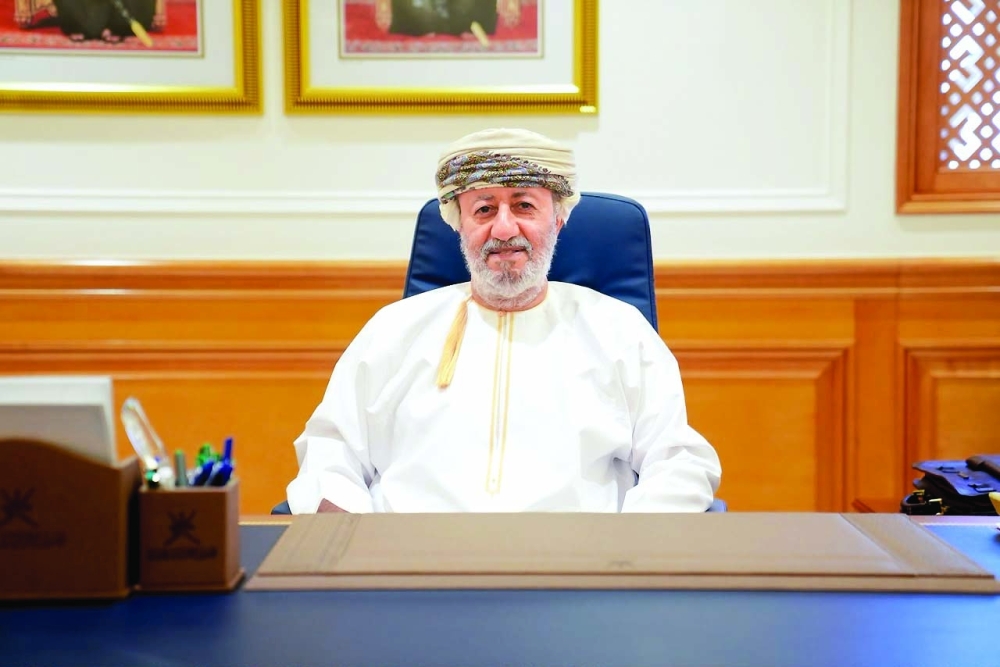
For his part, Dr Shaikh Mohammed bin Saif al Saadi, Judge of the Supreme Court and Chairman of the Muscat Court, said that justice is a noble mission and not merely an end to be sought, and the start of the new judicial year represents an important station to enhance the efficiency of judicial and administrative work.
He affirmed that the past judicial year witnessed the achievement of record adjudication rates thanks to the qualitative leap the judicial system witnessed in the engineering of digital transformation and the development of electronic services, which directly resulted in simplifying procedures, reducing the duration of litigation, and facilitating the paths of justice for litigants.
On his part, Lawyer Dr Said al Qalhati said that with the start of the new judicial year, lawyers and legal professionals recall the lofty standing of justice, and the role of the judicial authority, the legal profession, and all relevant entities in upholding the rule of law and safeguarding rights and freedoms.
He added that the lawyer remains an authentic partner in the justice system, performing his professional mission with honesty and independence, and contributing to revealing and defending the truth, out of respect for the law and trust in the judiciary.
The performance indicators for the judicial year 2025-2026 reflect the volume of efforts exerted across the various components of the judicial system. The total number of cases circulated in the courts reached 177,356 cases, for which 126,487 judgments were issued, with a general adjudication rate of 71 per cent, while the average number of cases per judge reached 411 cases.
The Supreme Court recorded an adjudication rate of 87 per cent, after issuing judgments in 5,803 cases out of 6,650 circulated cases. Meanwhile, some of its circuits achieved adjudication rates of 100 per cent, reflecting stability in legal principles and efficiency in resolving the appeals presented before them.
As for the Courts of Appeal, the number of circulated cases reached 44,189 cases, with 28,678 judgments issued, reflecting an adjudication rate of 65 per cent. Meanwhile, the number of circulated cases in the Primary Courts reached 88,458 cases, with 69,208 judgments issued, at an adjudication rate of 78 per cent, despite absorbing the largest share of the volume of cases of various types.
In the framework of enhancing judicial specialisation, the Investment and Trade Court constituted one of the outputs of the council's strategic plan, as it commenced its operational work on October 1, 2025. This aims to provide a specialised judicial umbrella for commercial and investment disputes, contributing to the protection of investments, accelerating the resolution of disputes, and supporting the business environment.
The court's indicators during the judicial year 2025-2026 showed the issuance of 4,665 judgments in the primary circuits and 82 judgments in the appellate circuits for newly registered cases.
Meanwhile, the total number of cases transferred to the court's jurisdiction reached 25,758 cases, of which 17,929 cases were concluded, representing a completion rate of 70 per cent.
The resolution of a dispute judicially is not complete merely with the issuance of judgments, but rather with the execution of judgments and the guaranteeing of rights. In this regard, the total number of circulated execution requests during the judicial year reached 73,925 requests, of which 31,929 requests were executed, reflecting a general performance rate of 43 per cent.
Civil execution constituted the largest percentage of circulated requests, amounting to 28,527 requests, or 48 per cent, of which 13,806 requests were executed. - ONA
Oman Observer is now on the WhatsApp channel. Click here